
Dive into the world of intermittent fasting and uncover its myriad health benefits. From weight loss to metabolic health and even brain function, intermittent fasting has the potential to revolutionize your well-being. Let's explore all that intermittent fasting has to offer in this detailed guide.
Health benefits of intermittent fasting
Intermittent fasting is a dietary approach that involves cycling between periods of eating and fasting. Unlike traditional diets that focus on what to eat, intermittent fasting is more about when to eat. This method does not restrict specific food groups but rather emphasizes the timing of meals.
Overview of potential health benefits
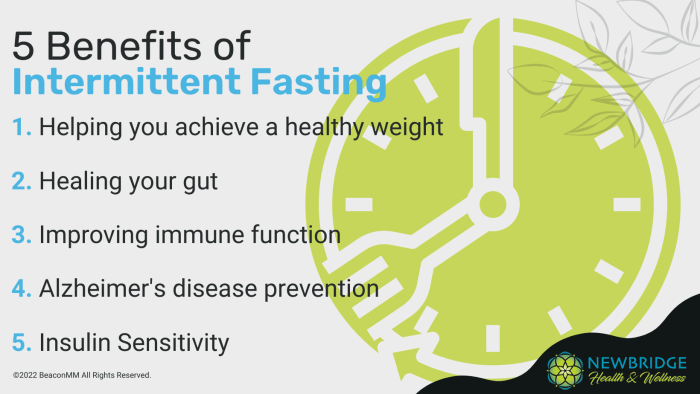
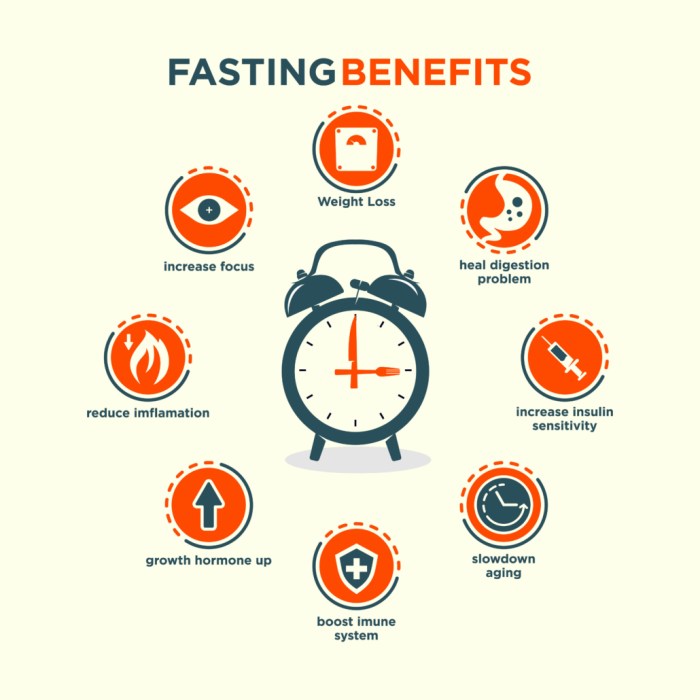
- Weight loss: Intermittent fasting can help reduce body weight and fat mass by promoting a calorie deficit and increasing metabolism.
- Improved insulin sensitivity: Fasting periods can lower blood sugar levels and improve insulin sensitivity, reducing the risk of type 2 diabetes.
- Cellular repair and longevity: Fasting triggers autophagy, a process where cells remove dysfunctional components, promoting cellular repair and longevity.
- Heart health: Intermittent fasting may reduce risk factors for heart disease, such as high blood pressure, cholesterol levels, and inflammation.
Scientific research supports the health benefits of intermittent fasting, showing positive effects on weight management, metabolic health, and overall well-being.
Weight loss and intermittent fasting
Intermittent fasting is a popular approach for weight loss due to its ability to help regulate hormones, increase metabolism, and reduce calorie intake. By incorporating periods of fasting into your routine, you can effectively shed excess pounds and improve overall body composition.
Effectiveness of intermittent fasting versus calorie restriction diets
- Intermittent fasting has been shown to be as effective, if not more effective, than traditional calorie restriction diets for weight management.
- Unlike calorie restriction diets, intermittent fasting focuses on when you eat rather than what you eat, making it easier for some individuals to adhere to.
- Intermittent fasting can also help prevent metabolic slowdown, which often occurs with prolonged calorie restriction.
Tips to incorporate intermittent fasting for weight loss
- Start slowly by gradually increasing the fasting window, such as by skipping breakfast and extending the fasting period overnight.
- Stay hydrated during fasting periods to help curb hunger and support overall health.
- Focus on nutrient-dense foods during eating windows to ensure you are meeting your body's nutritional needs.
- Listen to your body and adjust your fasting schedule as needed to find what works best for you.
Metabolic health and intermittent fasting
Intermittent fasting not only aids in weight loss but also plays a crucial role in improving metabolic health. Let's delve into how intermittent fasting positively impacts various aspects of metabolic health.
Insulin sensitivity and blood sugar levels
Intermittent fasting can enhance insulin sensitivity, allowing cells to better respond to the hormone insulin
Cholesterol levels and heart health
Research suggests that intermittent fasting may lead to decreased levels of LDL cholesterol (the "bad" cholesterol) and triglycerides, while increasing HDL cholesterol (the "good" cholesterol). These changes can contribute to a reduced risk of heart disease and improved heart health.
Additionally, intermittent fasting has been linked to lower blood pressure, further benefiting cardiovascular health.
Reducing inflammation in the body
Inflammation is a natural response by the immune system, but chronic inflammation can contribute to various health issues, including metabolic disorders. Intermittent fasting has been shown to reduce markers of inflammation in the body, potentially lowering the risk of inflammatory conditions such as heart disease, arthritis, and certain cancers.
By giving the body time to rest from digesting food, intermittent fasting may help regulate the immune response and reduce inflammation levels.
Brain health and intermittent fasting
Intermittent fasting not only benefits the body but also plays a significant role in enhancing brain health. Studies have shown that intermittent fasting can lead to improved focus, cognitive function, and overall brain health.
Potential cognitive benefits
- Intermittent fasting can improve focus and concentration, making it easier to complete tasks that require mental clarity.
- It may enhance brain function by promoting the growth of new nerve cells and increasing synaptic plasticity.
- Individuals who practice intermittent fasting often report feeling more alert and mentally sharp.
Stimulation of brain-derived neurotrophic factor (BDNF)
Intermittent fasting has been shown to stimulate the production of brain-derived neurotrophic factor (BDNF), a protein that supports the growth and maintenance of nerve cells in the brain. Increased levels of BDNF can improve cognitive function and protect against neurodegenerative diseases.
Reduction of neurodegenerative disease risk
- Research suggests that intermittent fasting may reduce the risk of neurodegenerative diseases such as Alzheimer's and Parkinson's.
- By promoting autophagy, intermittent fasting helps clear out damaged cells and proteins that contribute to neurodegenerative conditions.
- Additionally, the anti-inflammatory effects of intermittent fasting can help protect the brain from oxidative stress and inflammation, which are linked to neurodegenerative diseases.
Conclusion
In conclusion, intermittent fasting emerges as a powerful tool for enhancing various aspects of health. By incorporating this practice into your routine, you can experience positive changes in weight management, metabolic health, and even cognitive function. Embrace intermittent fasting and unlock a healthier you.
FAQs
How is intermittent fasting different from traditional diets?
Intermittent fasting focuses on when you eat rather than what you eat, promoting periods of eating and fasting for better health.
Can intermittent fasting help with weight loss?
Yes, intermittent fasting can aid weight loss by restricting the time window for eating, leading to fewer calories consumed.
Does intermittent fasting improve metabolic health?
Intermittent fasting can improve metabolic health by enhancing insulin sensitivity, regulating blood sugar levels, and reducing inflammation.
What are the cognitive benefits of intermittent fasting?
Intermittent fasting may improve focus, brain function, and reduce the risk of neurodegenerative diseases by stimulating BDNF production.