
Starting with HVAC Liability Insurance: What’s Covered and What’s Not, the discussion delves into the intricacies of insurance coverage in the HVAC industry, shedding light on what contractors need to know to protect their businesses effectively.
Exploring the nuances of liability insurance and its impact on HVAC professionals, this article aims to provide a comprehensive guide on the subject matter.
Overview of HVAC Liability Insurance
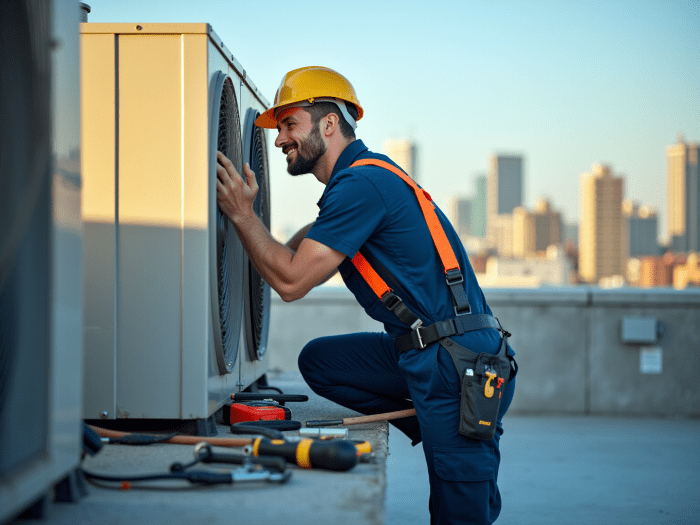
HVAC liability insurance is a crucial form of protection for HVAC contractors and businesses operating in the HVAC industry. It provides coverage in the event of unexpected accidents, damages, or injuries that may occur during the course of HVAC work.
Without proper liability insurance, HVAC professionals could face significant financial losses and legal liabilities.One of the main components covered by HVAC liability insurance is bodily injury. This includes coverage for injuries sustained by third parties, such as customers or bystanders, as a result of HVAC work.
For example, if a customer trips over HVAC equipment during an installation and gets injured, HVAC liability insurance can help cover medical expenses and potential legal fees.Property damage is another key component of HVAC liability insurance. This coverage protects against damages to the property of others that may occur during HVAC operations.
For instance, if an HVAC technician accidentally causes a fire that damages a client's home, HVAC liability insurance can help cover the costs of repairs or replacements.Additionally, HVAC liability insurance typically includes coverage for completed operations. This means that any damages or injuries that occur after HVAC work has been completed, but are still related to the work performed, are also covered.
For example, if a faulty HVAC installation leads to a fire in a client's home weeks after the job is done, HVAC liability insurance can still provide protection.It is important for HVAC contractors and businesses to have adequate liability insurance to safeguard their finances and reputation in the event of unforeseen incidents.
By understanding what HVAC liability insurance covers and its importance, HVAC professionals can operate with peace of mind knowing they are protected in case of any mishaps.
What's Covered by HVAC Liability Insurance
When it comes to HVAC liability insurance, it's crucial to understand what incidents or risks are typically covered to protect HVAC businesses from financial losses.
Types of Incidents Covered
- Property Damage: HVAC liability insurance can cover damages to a customer's property caused by HVAC installation or repair work.
- Bodily Injury: If a customer or third party is injured due to HVAC work, liability insurance can help cover medical expenses and legal fees.
- Errors and Omissions: Coverage for mistakes made in HVAC services, such as incorrect installations or faulty repairs.
- Product Liability: Protection in case a faulty HVAC product causes damage or injury to customers.
Common Claims Covered
- Water Damage: Coverage for damages caused by leaks or floods resulting from HVAC systems.
- Fire Damage: Protection in case a fire is started by HVAC equipment or installation errors.
- Customer Lawsuits: Legal fees and settlements resulting from customer lawsuits related to HVAC services.
- Advertising Injury: Coverage for claims of slander, libel, or copyright infringement in HVAC advertising.
Financial Safeguard for HVAC Businesses
HVAC liability insurance acts as a safety net for HVAC businesses, safeguarding them from substantial financial losses that could arise from unexpected incidents or lawsuits. By having the right coverage in place, HVAC companies can continue to operate without the fear of crippling financial liabilities.
What's Not Covered by HVAC Liability Insurance
When it comes to HVAC liability insurance, there are certain situations and risks that are typically not covered by this type of insurance policy. It's essential to understand these limitations to ensure you have appropriate coverage for all potential risks.
Let's explore some examples of what is not covered by HVAC liability insurance and discuss alternative insurance options.
Exclusions from HVAC Liability Insurance Coverage
While HVAC liability insurance provides important coverage for many risks, there are certain exclusions to be aware of. These may include:
- Damage caused by intentional acts: HVAC liability insurance typically does not cover damage caused intentionally by the insured party.
- Professional errors or negligence: Mistakes or errors in the design or installation of HVAC systems may not be covered by standard liability insurance.
- Pollution or environmental damage: Contamination or pollution caused by HVAC operations may not be covered under a basic liability policy.
- Employee injuries: Injuries to employees working on HVAC systems may require a separate workers' compensation policy.
Alternative Insurance Options
For risks not covered by HVAC liability insurance, there are alternative insurance options to consider:
- Professional liability insurance: Also known as errors and omissions insurance, this coverage can protect HVAC professionals from claims related to professional errors or negligence.
- Pollution liability insurance: This type of insurance specifically covers pollution and environmental damage caused by HVAC operations.
- Workers' compensation insurance: To protect employees in case of injuries on the job, a separate workers' compensation policy is essential.
Importance of HVAC Liability Insurance for Contractors
HVAC liability insurance is an essential safeguard for contractors in the heating, ventilation, and air conditioning industry. It provides protection against unforeseen accidents, damages, or liabilities that may arise during HVAC projects.
Why HVAC Contractors Need Liability Insurance
One of the main reasons HVAC contractors need liability insurance is to protect themselves from financial losses in case of property damage, bodily injury, or legal claims. Without proper insurance coverage, contractors could face significant financial burdens that may jeopardize their business.
- Liability insurance can cover the costs of legal fees, settlements, or judgments resulting from lawsuits related to work performed by the contractor.
- It can also provide coverage for damages to third-party property or injuries sustained by third parties on the job site.
- Furthermore, having liability insurance can enhance the credibility and reputation of HVAC contractors, assuring clients that they are working with a professional who takes responsibility for their work.
Real-Life Scenarios Where HVAC Liability Insurance is Crucial
There have been numerous instances where HVAC liability insurance has played a critical role in protecting contractors from financial ruin. For example:
During an HVAC installation, a contractor accidentally caused a fire that damaged a client's property. The liability insurance coverage helped the contractor cover the cost of repairs and compensation to the client, avoiding a significant financial setback.
- In another scenario, a technician working on an HVAC system caused water damage to a customer's home. The liability insurance policy covered the cost of repairs, preventing the contractor from bearing the full financial burden.
- Additionally, if a contractor is sued for negligence or faulty workmanship, liability insurance can provide the necessary legal defense and financial protection.
Tips for HVAC Contractors on Selecting the Right Coverage
When selecting liability insurance coverage, HVAC contractors should consider the following tips to ensure they have adequate protection for their specific needs:
- Assess the nature of their work and potential risks involved to determine the appropriate coverage limits.
- Compare different insurance policies from reputable providers to find the best value for coverage that meets their requirements.
- Ensure that the policy includes coverage for common risks in the HVAC industry, such as property damage, bodily injury, and product liability.
- Review the policy exclusions and limitations carefully to understand what is not covered and consider additional coverage options if needed.
Conclusive Thoughts
In conclusion, understanding the coverage and limitations of HVAC liability insurance is paramount for contractors looking to secure their livelihoods. By staying informed and proactive, businesses can navigate potential risks with confidence and peace of mind.
FAQ Overview
What does HVAC liability insurance typically cover?
HVAC liability insurance usually covers property damage, bodily injury, legal fees, and medical expenses resulting from work-related incidents.
Are equipment malfunctions covered by HVAC liability insurance?
No, equipment malfunctions are typically not covered by HVAC liability insurance, as they fall under the purview of equipment warranties or other specialized coverage.
Can HVAC liability insurance protect against lawsuits from dissatisfied customers?
Yes, HVAC liability insurance can help safeguard businesses from lawsuits related to unsatisfactory work, negligence, or errors in services provided.
Is damage to a client's property during HVAC installation covered?
Yes, damage to a client's property during HVAC installation is usually covered by HVAC liability insurance, ensuring contractors are protected financially.